Play isn’t just about fun for dogs — it helps them relax, burn energy and build confidence. Whether you have a curious puppy, a playful adolescent or a calmer senior dog, the right toys and enrichment activities can make a big difference to their day.
With so many options available, choosing can feel overwhelming. Chew toys, puzzle feeders, soft toys, balls, rope toys… where do you start, and what’s worth trying?
This guide explores the different types of toys and enrichment ideas, along with simple suggestions to help you find what suits your dog’s personality and play style.
This guide includes a couple of helpful product links. If you choose to buy through them, SortedPets may earn a small commission at no extra cost to you. This helps support the website and future guides.
Dogs experience the world with their noses, paws and minds — not just through movement. Enrichment helps them:
Just a few minutes of enrichment can be enough to settle an excitable dog or refocus a restless puppy.
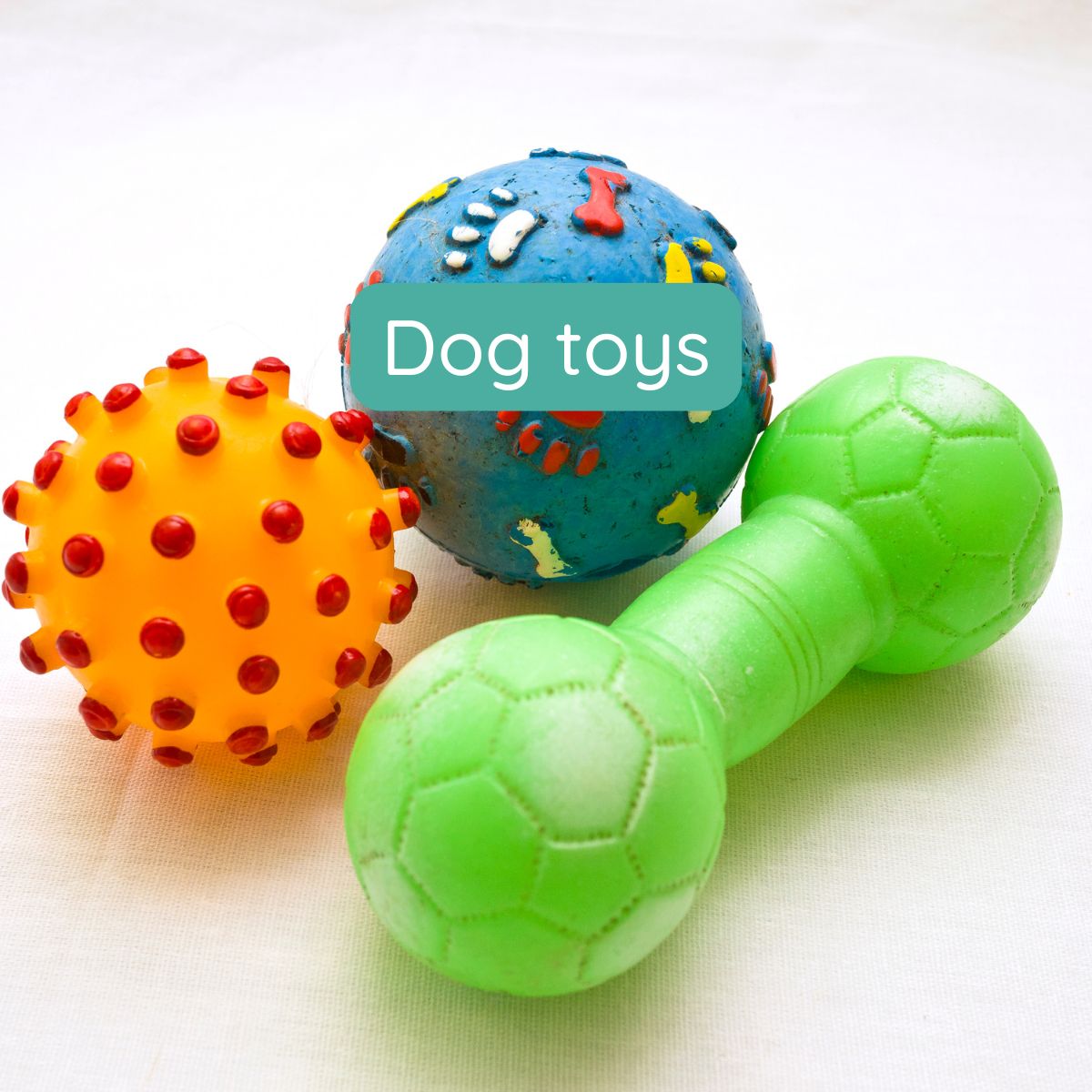
Dogs play differently, so having a variety of toy types can help you discover what your dog enjoys most.
Ideal for teething puppies or dogs that like to chew. Durable rubber toys can last longer than plush toys and provide a safe outlet for chewing behaviour.
Many owners find that a durable chew toy helps keep their dog occupied safely. Here’s an example of a popular option on Amazon: View it here.
Some dogs enjoy cuddling soft toys for comfort, while others enjoy gentle tug or shake play. These toys are often favourites for dogs that like softer textures.
Product placeholder
These are great for outdoor play and active dogs. Balls, frisbees and bounce toys can help your dog burn off energy during play sessions.
Product placeholder
Useful for tug games or gentle chewing. Rope toys also help support dental health when chewed safely.
Product placeholder
Many dogs find food-based puzzles rewarding because they combine scent work, chewing and problem solving. They also help slow down dogs that eat quickly.
For mental stimulation and calm, enrichment toys like lick mats or puzzle feeders can be really helpful. Here’s a well-reviewed example: See it on Amazon.
You don’t have to buy everything new — some simple homemade activities can be just as rewarding:
Always supervise homemade enrichment to keep things safe.
Some toys are designed specifically for outdoor play and can make walks and garden time more engaging:
Product placeholder
Your dog’s age, breed and personality all influence the types of toys they enjoy.
Larger or stronger breeds may need tougher toys designed for heavy use.
Always check toys regularly for signs of wear and remove loose parts. Even the toughest toys won’t suit every dog — some will destroy toys quickly, while others may be gentler.
If you’re unsure whether a toy is suitable, choose durable materials and always supervise until you know how your dog engages with it.
How many toys should my dog have?
There’s no right answer. A small selection works well — rotating toys keeps them exciting.
What if my dog destroys toys quickly?
Try rubber or tougher chew-rated toys rather than soft plush items.
My dog isn’t interested in toys — what can I do?
Try food-based enrichment, scent games or softer comfort-style play.
Some links in this guide may be affiliate links. If you choose to buy after clicking, SortedPets may receive a small commission at no extra cost to you. It helps support the website and future resources.
Every dog is unique — what one dog loves, another might ignore completely. Start simple, experiment gently and enjoy discovering what makes your dog’s tail wag. The right balance of enrichment and play can help your dog stay relaxed, confident and happy.

Know someone who might find this useful? Share it with them...